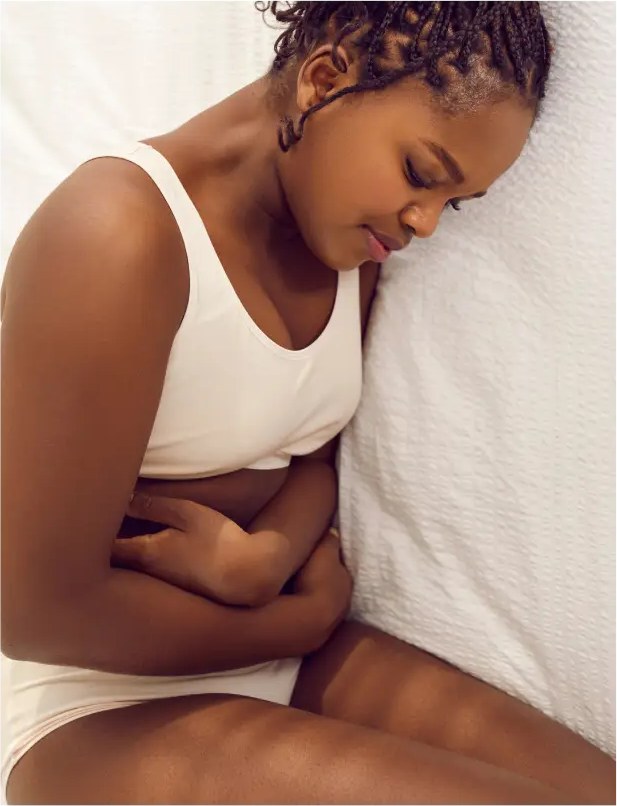
Chronic/Persistent Pelvic Pain (CPP) is pain in the lower abdomen or pelvis that lasts for more than 6 months. CPP is a common yet widely under-recognised condition, affecting 1 in 5 women, girls, and people assigned female at birth.
Start with the support that fits you.
Start free consultCPP is described both as a condition by itself, or as an umbrella term to describe a range of conditions that cause Chronic Pelvic Pain. These include Endometriosis, Adenomyosis, Interstitial Cystitis, Chronic UTIs, Pelvic Inflammatory Disease, Pelvic Congestion Syndrome, Uterine Fibroids, Levator Syndrome, and Vulvodynia.
Symptoms of CPP
- Severe and steady pain, either over the entire pelvic area or a localised spot
- Pain that comes and goes
- Dull aching
- Sharp pains or cramping
- Twisted or knotted feeling
- Pressure or heaviness deep within your pelvis
- Pain during intercourse
- Pain while having a bowel movement or urinating
Living with CPP often has significant physical and emotional impacts. It can make it hard to walk/sit, socialise, work, have sex, and exercise, significantly affecting a person's quality of life.
Chronic Pelvic Pain both as an umbrella term and its own condition
CPP is described both as a condition by itself, or as an umbrella term to describe a range of conditions that cause Chronic Pelvic Pain. These include Endometriosis, Vulvodynia, Adenomyosis, Interstitial Cystitis, Chronic UTIs, Pelvic Inflammatory Disease, Pelvic Congestion Syndrome, Uterine Fibroids, Vaginismus, Levator Ani Syndrome, and Irritable Bowel Syndrome.